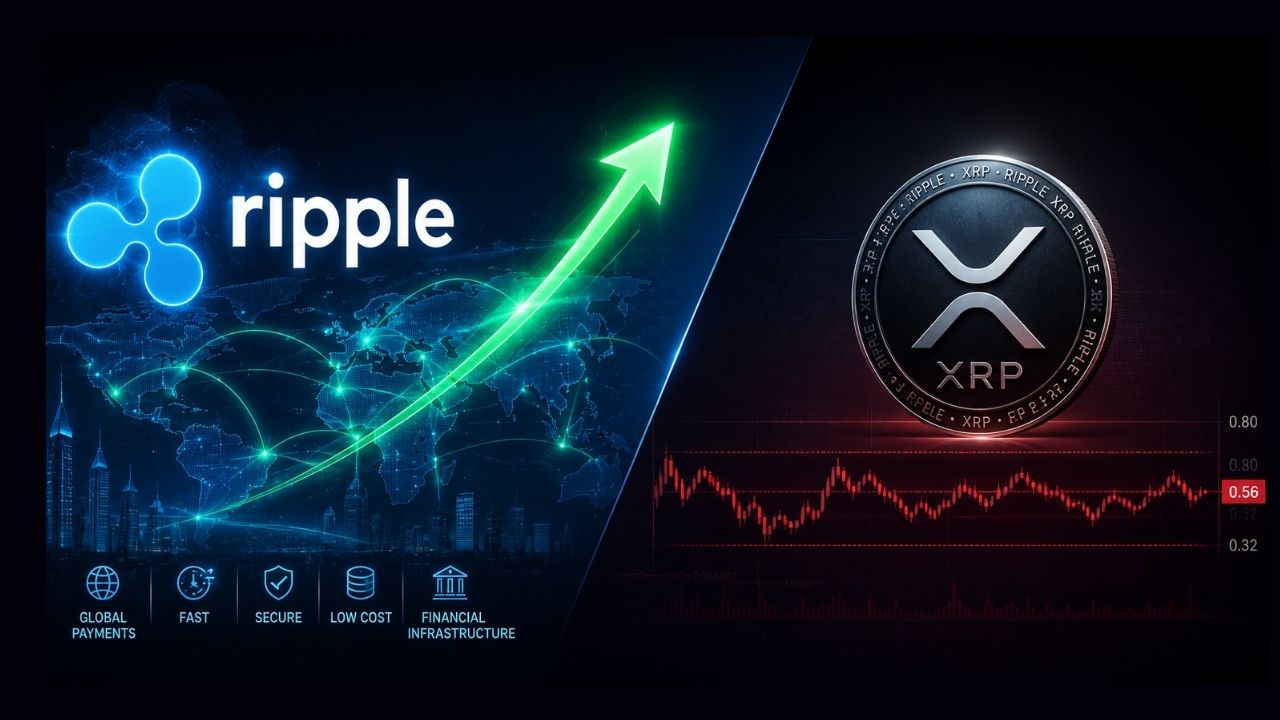
The crypto market loves a good paradox — and right now, one of the biggest is the growing gap between Ripple’s business success and XRP’s price performance. While Ripple continues to expand partnerships, regulatory wins, and global payment infrastructure, XRP — its native token — hasn’t mirrored that same explosive growth.
So what’s really going on?
In this article, we’ll break down the Ripple vs XRP disconnect, why it exists, and what it could mean for investors in 2026 and beyond.
Ripple Is Thriving in 2026
Ripple, the fintech company behind XRP, has been on a remarkable run:
- ✅ Expanding cross-border payment corridors in Asia, the Middle East, and Latin America
- ✅ Securing banking and institutional partnerships
- ✅ Strengthening its position after partial legal clarity in the SEC lawsuit
- ✅ Launching new enterprise blockchain solutions
Ripple’s On-Demand Liquidity (ODL) service continues to gain adoption, and financial institutions are increasingly exploring blockchain-based settlement systems. In short, Ripple as a company appears stronger than ever.
But here’s the twist.
XRP Price Isn’t Matching Ripple’s Growth
Despite Ripple’s corporate momentum, XRP price performance has lagged compared to expectations. While other major cryptocurrencies like Bitcoin and Ethereum have surged during bullish cycles, XRP has struggled to break into sustained upward trends.
This creates one of crypto’s most confusing questions:
If Ripple is booming, why isn’t XRP?
Understanding the Ripple vs XRP Difference
One major reason for the disconnect is misunderstanding.
- Ripple is a private company.
- XRP is a digital asset that operates independently on the XRP Ledger.
Owning XRP does not mean owning shares in Ripple. Many retail investors mistakenly assume that Ripple’s success directly translates into XRP price gains — but that connection is not legally or structurally guaranteed.
Ripple uses XRP in some of its payment solutions, but its broader business strategy doesn’t always require XRP adoption at scale.
Regulatory Shadow Still Lingers
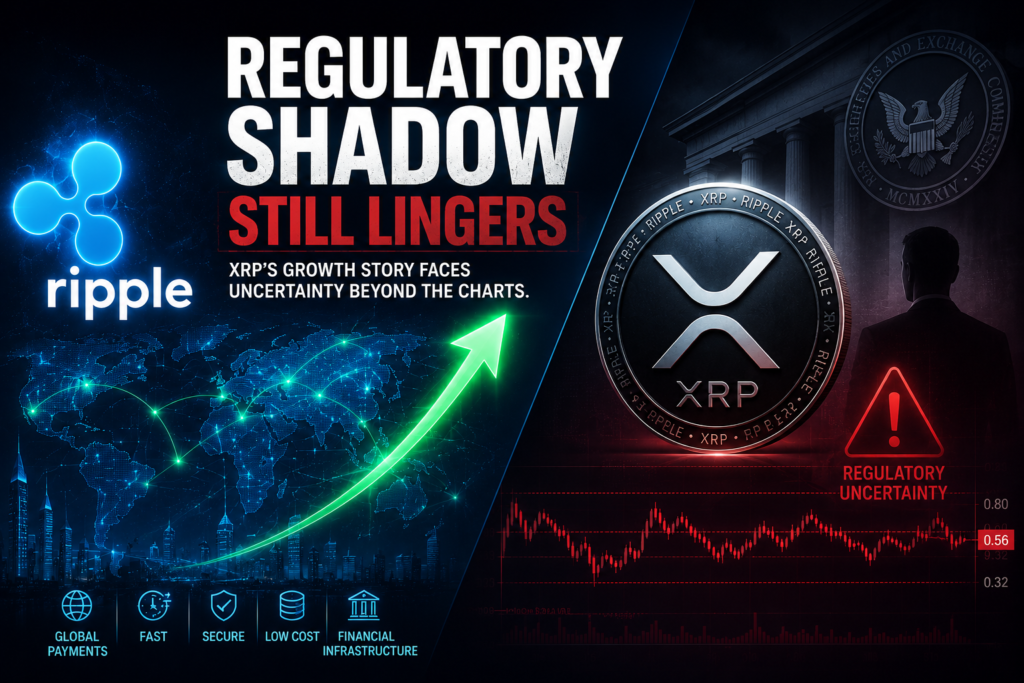
Although Ripple scored partial victories in its legal battle with the SEC, regulatory uncertainty has impacted investor confidence for years.
Even with improved clarity, institutional investors remain cautious. Regulatory headlines often trigger short-term volatility, making XRP one of the most sentiment-sensitive altcoins in the market.
Until global crypto regulations become clearer and more unified, XRP may continue trading below its perceived potential.
Supply Pressure and Tokenomics
Another factor affecting XRP price is token supply dynamics.
Ripple still holds a significant portion of XRP in escrow and releases tokens periodically. Even though releases are controlled and often returned to escrow, the perception of supply overhang can:
- Limit price momentum
- Create sell pressure fears
- Reduce scarcity appeal compared to Bitcoin
In crypto markets, perception often drives price as much as fundamentals.
Is XRP Undervalued in 2026?
Some analysts argue that XRP may actually be undervalued relative to Ripple’s ecosystem growth. If global cross-border payment adoption accelerates and XRP becomes a standard bridge asset, demand could increase significantly.
Potential catalysts include:
- Full regulatory clarity in the United States
- Major central bank digital currency (CBDC) integrations
- Broader institutional use of the XRP Ledger
- A strong overall crypto bull market
If these factors align, XRP could eventually reflect Ripple’s corporate success more closely.
The Bigger Lesson for Crypto Investors
The Ripple-XRP disconnect highlights an important crypto investing lesson:
A company’s success does not automatically guarantee its token’s price appreciation.
Investors should evaluate:
- Token utility
- Real demand
- Supply mechanics
- Regulatory risk
- Market sentiment
Rather than relying solely on brand association.
Final Thoughts: Ripple vs XRP in 2026
Ripple is undeniably booming — expanding globally and strengthening its fintech footprint. But XRP’s slower growth reminds us that crypto markets operate under different economic mechanics than traditional equities.